

Completing installation is only the first milestone; stable mass production requires far more than equipment commissioning.
A fertilizer production line has been fully installed. All equipment is in place, electrical connections completed, and conveying systems linked up. The client's top question is often: "We have raw materials ready - can we start formal production now?"
In reality, even when the line is ready for trial operation, stable mass production is still some way off. For production lines of similar configuration, some plants ramp up to normal output quickly, while others go through an extended trial production and run-in period. What accounts for this gap?
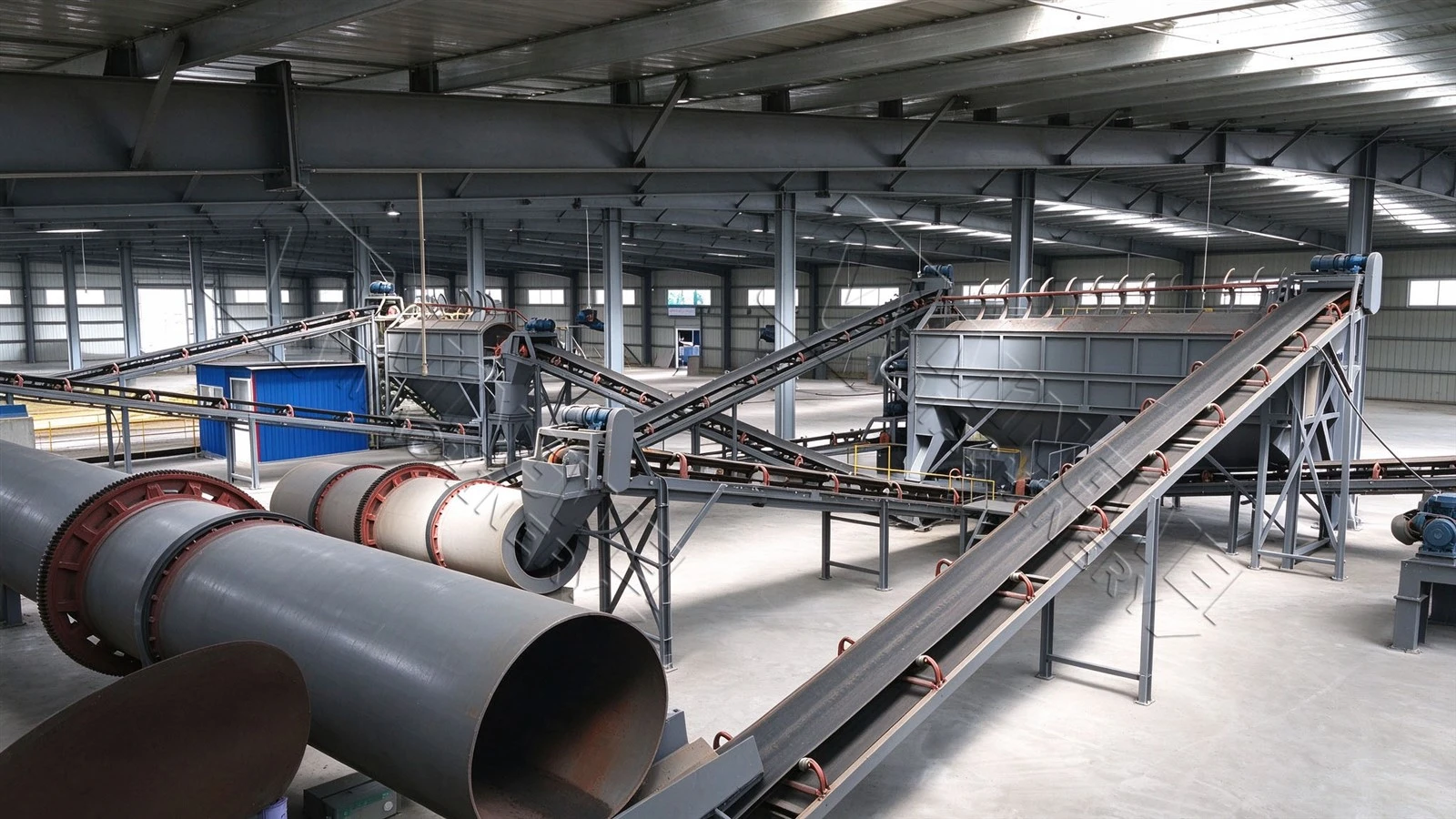
01 Properly installed equipment does not equal a proven process
After installation, inspections, standalone unit commissioning, full-line linkage tests and material-loaded commissioning are required to verify that mechanical, electrical, control and safety protection systems meet operational requirements.
That said, smooth equipment operation does not mean the raw material process has been fully validated. Is the formula compatible with the defined process? Do raw materials meet design specifications in terms of particle size, moisture content and physical properties? Can power supply, heat source, compressed air and other utilities run steadily? All these factors affect material trial runs.
Take drum granulation as an example. Liquid/steam addition, material temperature, return fines ratio and particle growth status are closely interrelated. Producing qualified granules in the first trial run does not guarantee continuous stable operation at the target throughput across the whole line.
02 Why do run-in cycles vary for identical lines?
Suppose two factories purchase production lines with comparable processes and configurations. The first has an experienced team: plant manager, workshop supervisors and granulation operators familiar with fertilizer manufacturing. When facing oversized granules, excess fine powder or fluctuating return fines, they can diagnose root causes by combining material conditions and equipment status.
The other is new to the fertilizer sector. Its on-site team lacks experience in continuous production, machinery maintenance and process tuning. Basic equipment operation can be learned via training, yet understanding the correlation between different abnormal conditions only comes with hands-on practice.
This alone can create a huge gap in the timeline from material trial runs to mass production.
It is not merely a matter of operator proficiency. Production managers must grasp the full-line process and production rhythm; granulation staff need to monitor material behaviour and make timely adjustments; mechanical and electric technicians must carry out inspections, routine maintenance and troubleshooting of common faults.
03 Being able to start the line ≠ being able to manage it well
Trial production challenges extend beyond complex granulation issues. Belt misalignment, elevator material buildup, screen blockage, sensor malfunctions, lubrication, fastening and other maintenance tasks can all disrupt continuous operation.
Some issues stem from equipment or installation defects, for which the responsible party shall take remedial action. Others fall under routine maintenance and on-site management. If every minor breakdown requires waiting for off-site engineers, downtime will inevitably accumulate.
A mature team knows not only how to start the equipment, but also when to adjust parameters, when to shut down for inspection, and how to prevent recurring failures. Trial production is also the stage for the factory to build its independent operational capability.
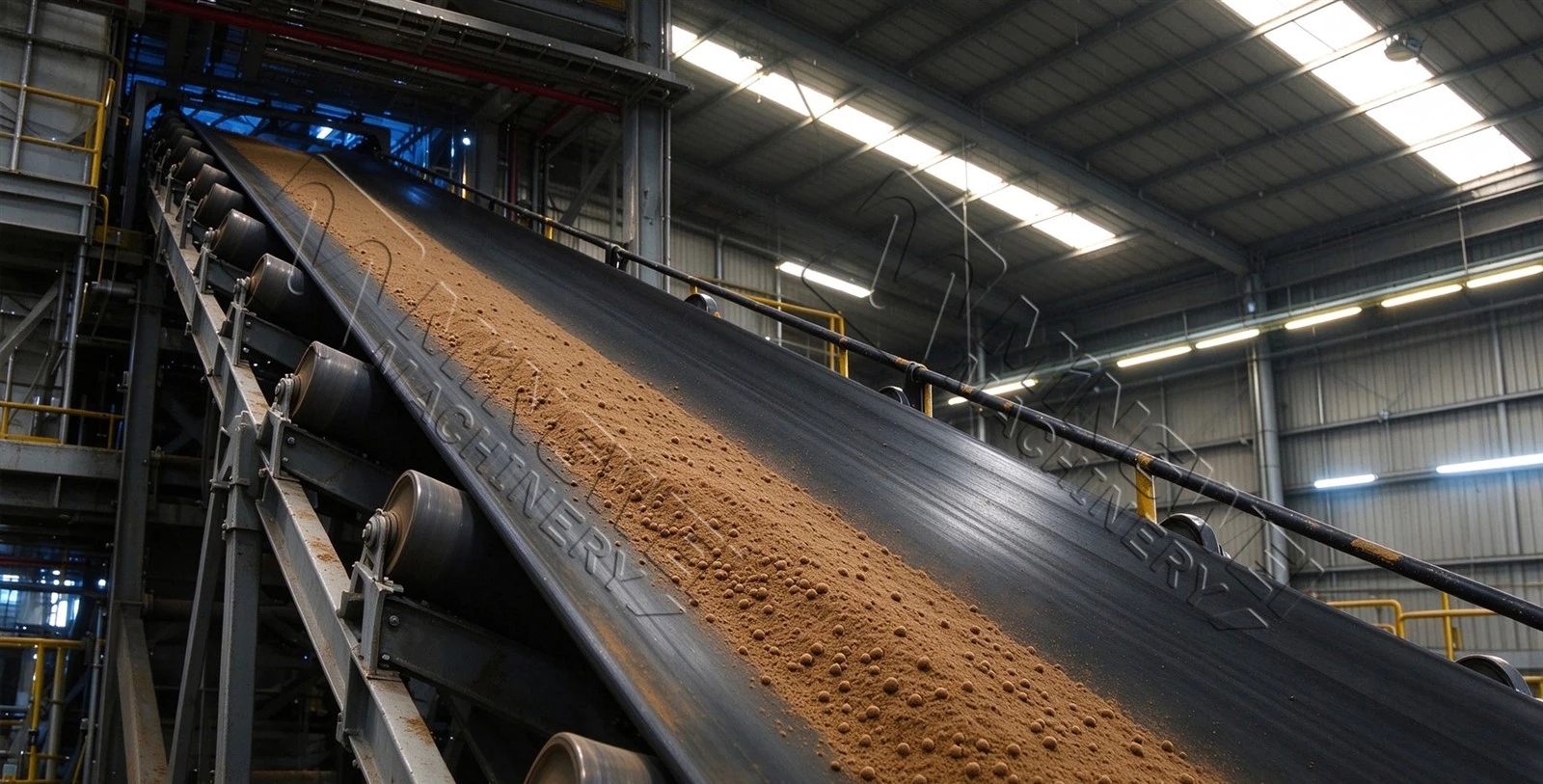
04 Narrow this gap starting from the construction phase
Raw materials and formulas should be confirmed as early as possible. Trial-run materials and utility systems need advance preparation. Key personnel including the future plant manager, workshop supervisors and core operators should participate in installation, commissioning and training from an early stage - rather than taking over only when the supplier's engineers are about to leave.
Of course, a lengthy run-in period cannot always be blamed on the client. Equipment design, fabrication, installation quality and the supplier's technical support are equally critical. Both parties shall fulfil contractual obligations and technical agreements covering performance verification, on-site guidance, training and other agreed deliverables.
From completed installation to consistent, stable output of qualified products, there is more work ahead than just equipment commissioning: process validation, personnel training and the establishment of robust production management systems. Finished installation marks the starting point for commissioning; true mass-production capability is built gradually through real-world operation.
At Mingwei, we deliver more than equipment. We deliver a complete, workable system that keeps your fertilizer quality consistent, batch after batch.
That's what we mean by:
Beyond Equipment. Total Solutions.